Dr-Hicks-Treating-scaled

Lameness Exams

The American Association of Equine Practitioners defines lameness as “an alteration of the horse’s gait.” Simply put, lameness is any condition that the horse may have that causes it to be unable to travel on all four feet in a consistent and sound manner.

Stress, injury or degenerative change can take its toll on any horse and result in lameness.

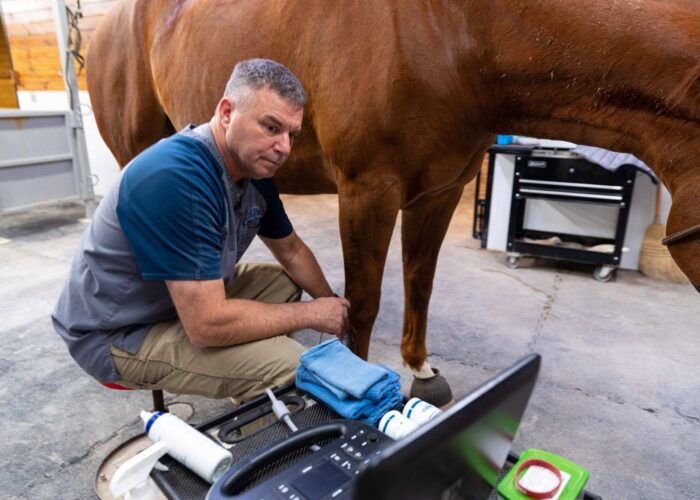
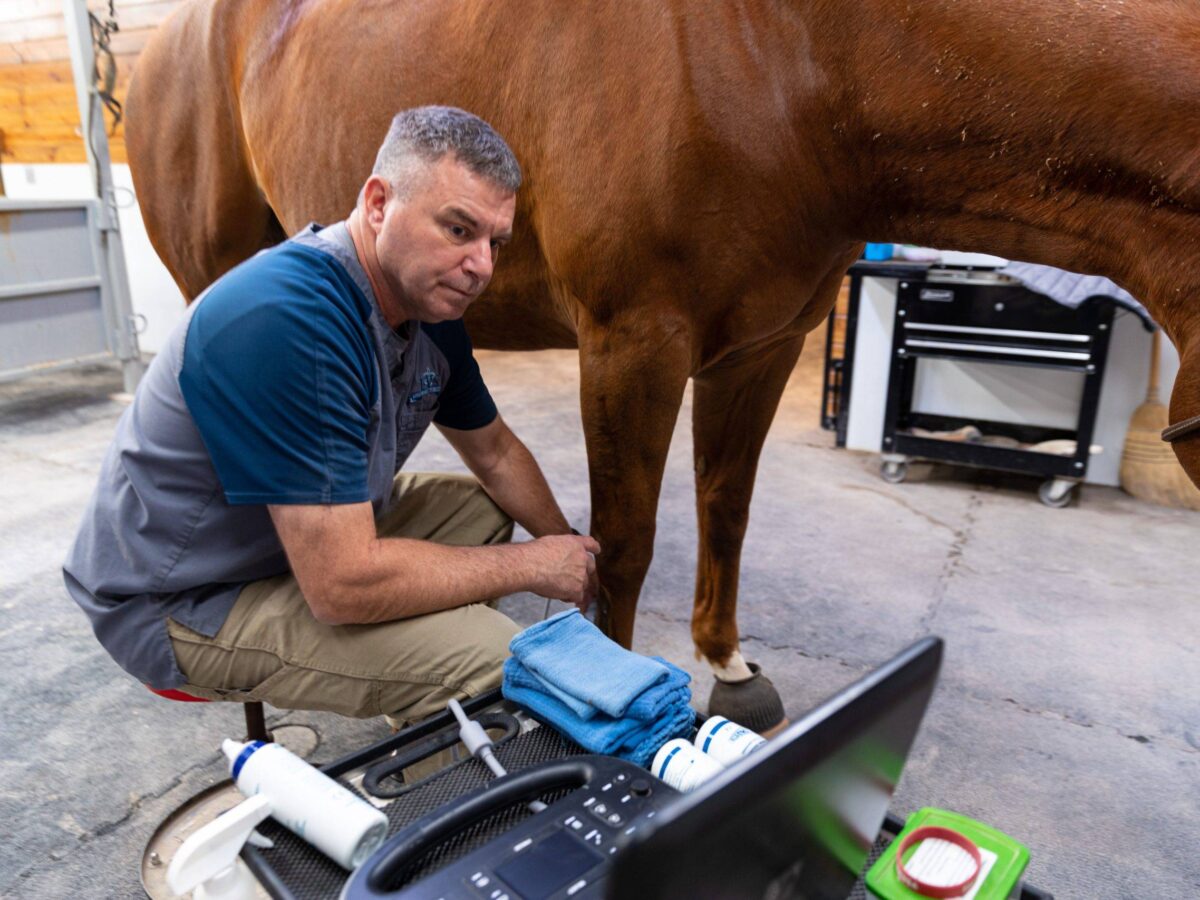
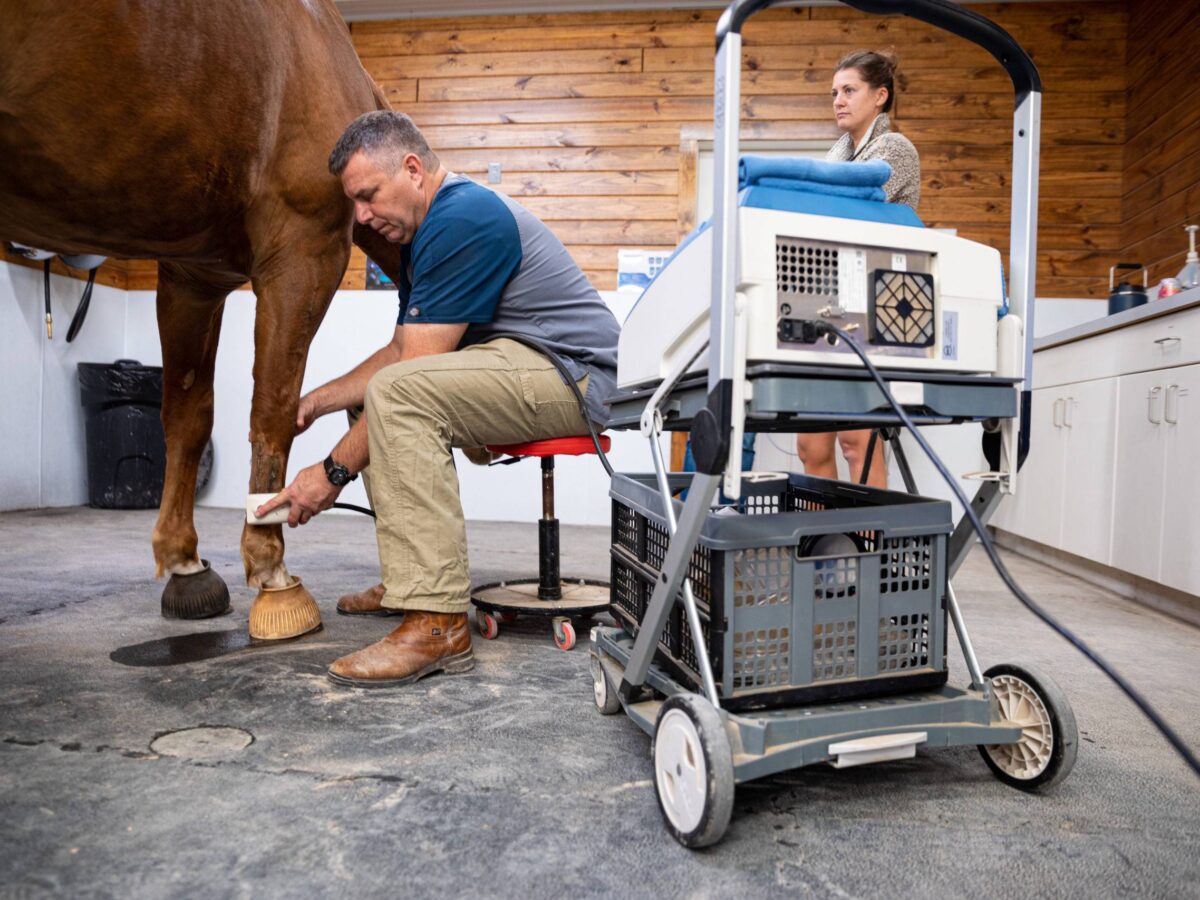
When lameness occurs, prompt diagnosis and treatment can save you time, money and frustration. The veterinarians at Bayhill are highly trained at recognizing lameness in horses and utilizing state-of-the-art diagnostic procedures and treatments. Our practice is equipped with many tools to aid us in the diagnosis and treatment of your horse.

Dr-Hicks-Treating-scaled
3Q1A5875-scaled
3Q1A5875-scaled

Pre-Purchase Exams

The Pre-Purchase Examination is a “moment in time” exam that includes a thorough physical examination of the horse, as well as a variety of ancillary tests tailored to the buyer’s intentions for the horse and their budget.

The Pre-Purchase Examination is a “moment in time” exam that includes a thorough physical examination of the horse, as well as a variety of ancillary tests tailored to the buyer’s intentions for the horse and their budget.

Our veterinarians will evaluate the horse’s performance during the evaluation and various tests, while also considering the horse’s age, history, and intended future use.

Through this exam our veterinarians provide the potential buyer with as much insight and data as possible, allowing buyers to make informed purchasing decisions.

checkequine.com

Ultrasound

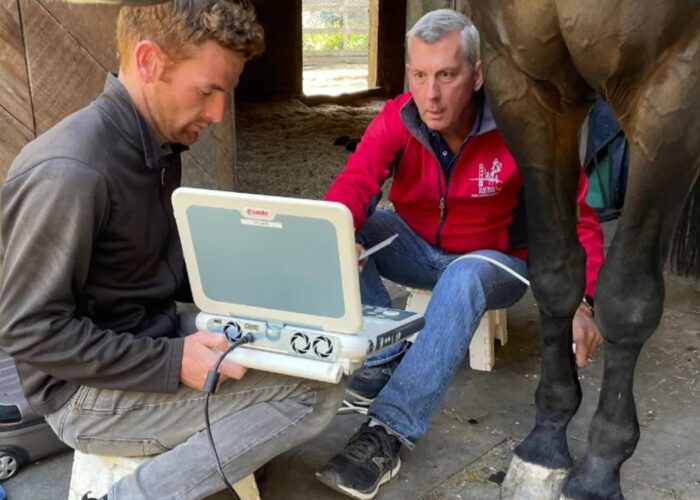
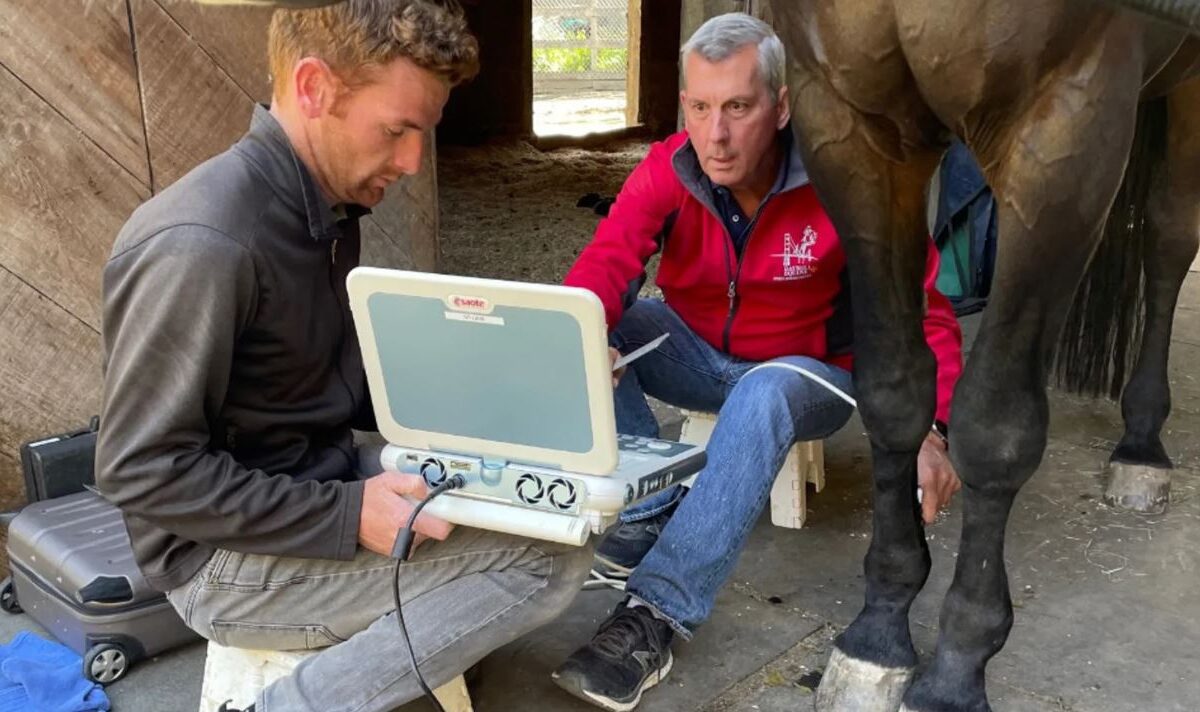
Ultrasounds are a diagnostic procedure that can be used to locate many different problems. Humans most commonly have ultrasounds to check on the health and progress of an unborn baby still in the womb, but ultrasounds can also be used in humans to monitor kidney health, gallbladder problems, and much more. Although human medical practitioners commonly use ultrasounds for a wide variety of purposes, they are also fairly common in the veterinary world and in equine health, too.

Ultrasounds use sound waves to help technicians and veterinarians see clearer pictures of the inside of the patient’s body. These sound waves bounce off of tissue within the body and create pictures that can be viewed on a screen by the person performing the ultrasound. The pictures are in black and white and may not look very clear to untrained eyes, but the technician knows how to read them and recognize any potential issues. If they see something concerning but inconclusive, however, they may refer the patient to another type of diagnostic procedure for more of an in-depth look.

checkequine.com
checkequine
checkequine

Endoscopy

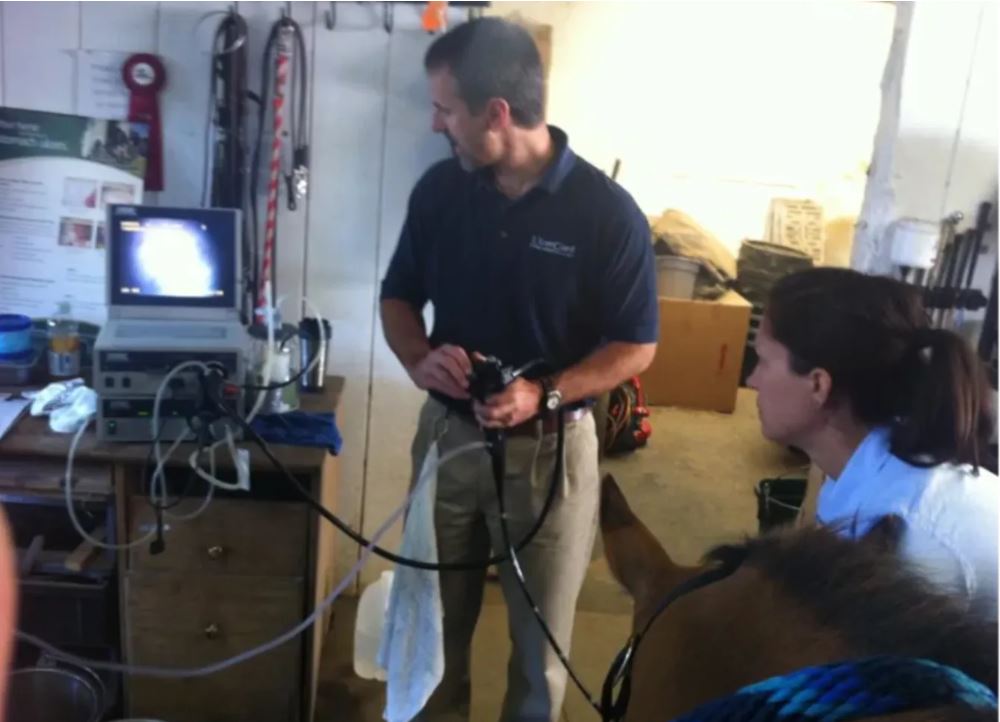
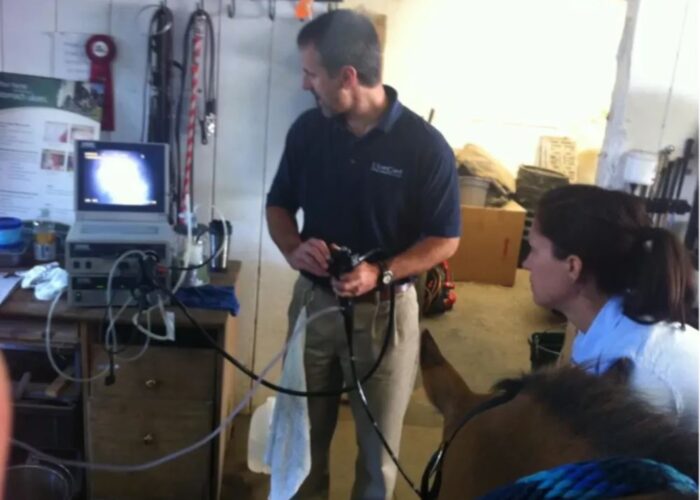
An endoscopy is a highly useful medical imaging tool used to examine your horse when they are experiencing symptoms such as weight loss, vomiting, or diarrhea. With endoscopic equipment, your veterinarian can examine different internal organs like the lungs (bronchoscopy), the colon (colonoscopy), and the bladder (cystoscopy). For your horse, the endoscopy can provide a minimally invasive way for your vet to diagnose gastrointestinal conditions and cancer, or in some cases, it can also be used therapeutically for an interventional endoscopy.

An endoscopy is performed with either a flexible endoscope (bronchoscopy, colonoscopy, or endoscopy) or with a rigid endoscope (arthroscopy, cystoscopy, laparoscopy, proctoscopy, rhinoscopy, or thoracoscopy). The machine is made up of a tube that enters the body, an eyepiece, and a control section for the doctor to maneuver the equipment. Additionally, there are two channels within the endoscope. One channel can be used for various endoscopic tools to collect fluids or samples, and the other allows air or water to pass through. Special video cameras can also be attached that allows viewing of the procedure on a screen or recording a video of the procedure. Endoscopies performed on humans only require light sedation, however, because animals don’t understand that a veterinary team is trying to help them, they will need to be sedated under general anesthesia for the duration of the procedure.


checkequine.com

Dentistry

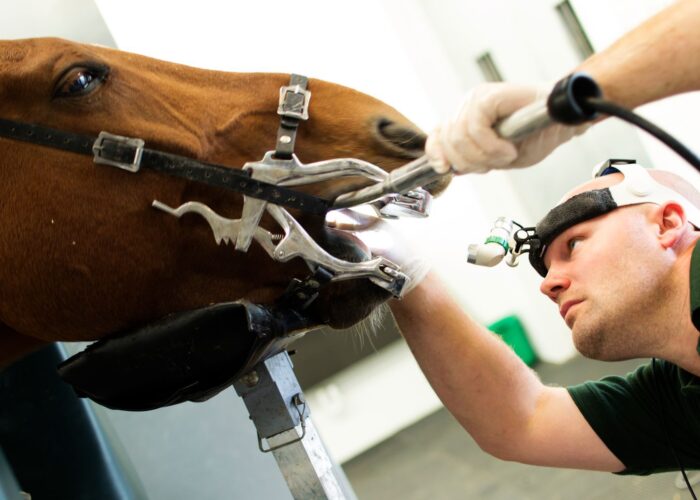
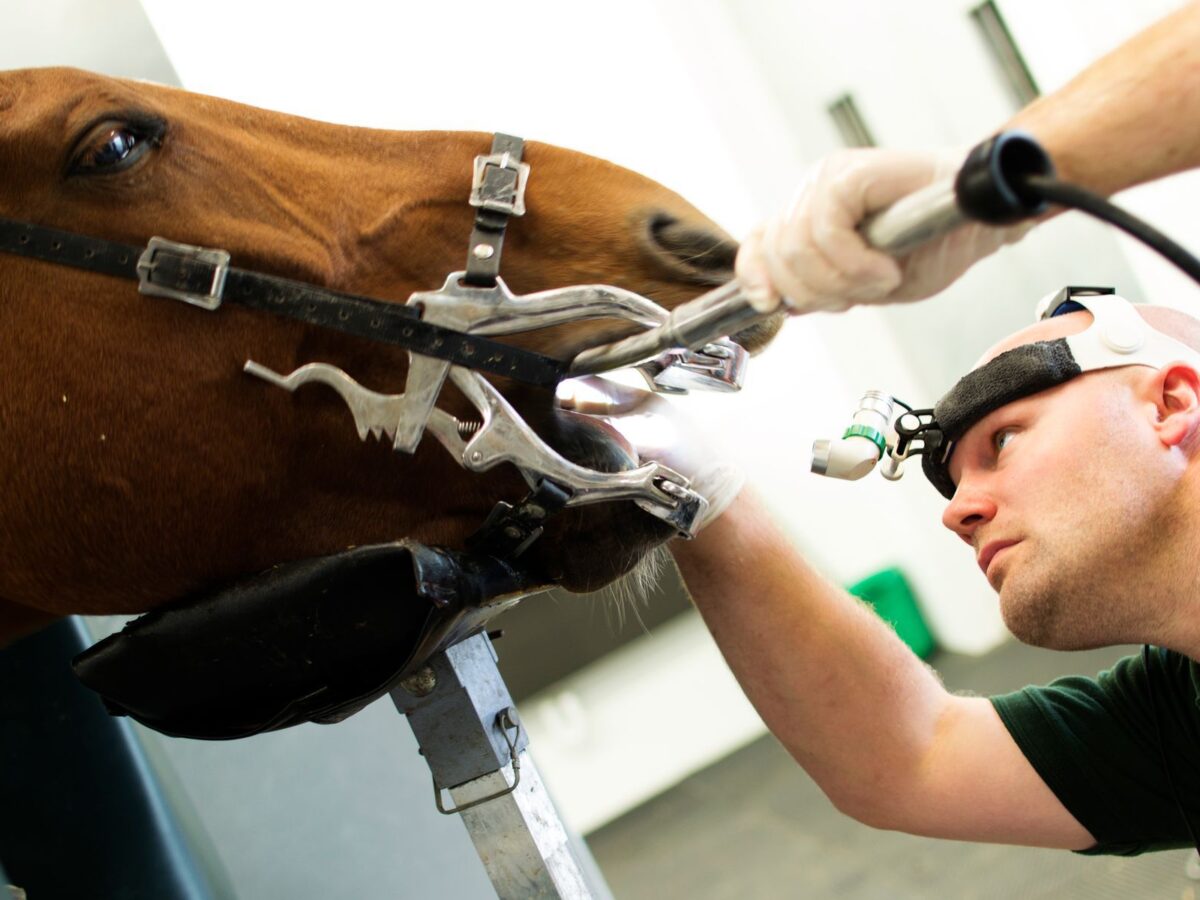
It is essential that horses receive regular preventative dental care to keep them healthy and up to performance standards. Dental problems can interfere with digestion, cause colic, create chronic jaw and neck stiffness, and may contribute to lameness.

The following symptoms could indicate the presence of dental problems:

  • Horse is dropping food or losing weight
  • Difficulty chewing
  • Undigested food particles in your horse’s manure
  • Excessive bit chewing or head tossing
  • Difficulty riding or being on a line

At Bayhill Equine, we recommend a dental exam twice a year and an annual teeth float with sedation. We recommend that regular dental exams begin as soon the foal is born to check for congenital abnormalities. Our two, fully-equipped mobile units perform dental exams, floats, and advanced dental care right on your own farm.

checkequine.com

Are you ready to book an Appointment?

Your treatment will be performed by licensed therapist. Schedule your appointment now!

Are you ready to book an appointment?

Your equine treatment will be performed by licensed DVM. Schedule your appointment now!